The furnace's thermal guardian
The high-limit switch is a temperature-sensing control mounted in the supply plenum or on the heat exchanger. It has a set point defined by the manufacturer. If plenum temperature exceeds that point, the switch opens, the control board closes the gas valve, and the blower continues running to carry heat away until the temperature falls back into range.
Most furnaces also carry rollout switches near the burners, which trip if flame escapes the intended path. Those are manual-reset devices and their activation always indicates a serious condition.
Airflow is nearly always the cause
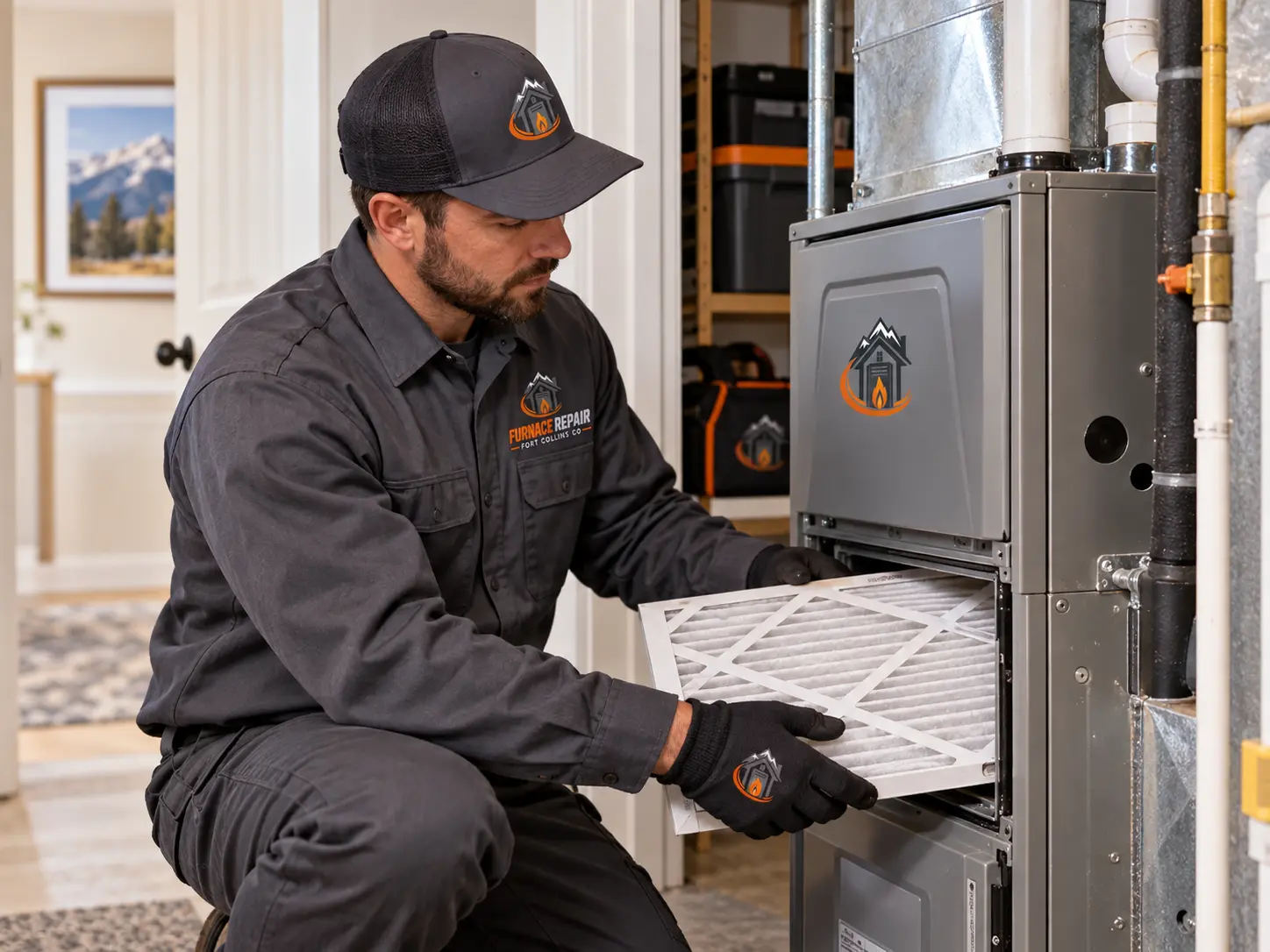
This is why a furnace that trips the limit and a furnace with weak airflow are usually the same call. Fixing the airflow fixes the limit trips.
- A clogged or overly restrictive filter
- A dirty blower wheel that can no longer move rated air
- Too many supply registers closed off
- Undersized, crushed or disconnected return ductwork
- A failing blower motor or weak capacitor running below speed
- An incorrect blower speed tap set during a previous service visit
What limit trips look like to a homeowner
The most common presentation is short cycling: the burners run for a few minutes, shut off while the blower keeps running, then relight once things cool. Some homeowners describe it as the furnace blowing cold air part of the time. Over a season, that cycle pattern puts real thermal stress on the heat exchanger.
Talk through your furnace problem
For service availability, please have your 5-digit ZIP code ready.
Call now for a FREE QUOTE and for service availability. Please have your 5-digit ZIP code ready.
When the switch itself is the problem
Limit switches do fail — usually open, occasionally by drifting out of calibration. But a switch is only condemned after temperature rise across the furnace has been measured and compared to the range on the data plate. If temperature rise is high, the furnace is genuinely overheating and the switch is doing its job. If temperature rise is normal and the switch still opens, the switch is faulty.
Never jumper or bypass a limit switch. It is the last line of defense against heat exchanger damage and fire risk. Furnace safety covers the controls that must always remain intact.
Prevention is straightforward
Change the filter on a realistic schedule, keep registers open, and have airflow verified during annual furnace maintenance. These three habits prevent the majority of limit trips we see in Fort Collins homes.
Furnace Safety Comes First
If you smell gas, see smoke or fire, or suspect carbon monoxide, stop troubleshooting. Move everyone out of the affected area, then contact your gas utility or emergency services from a safe location.
Never bypass a pressure switch, limit switch, rollout switch, door switch or flame sensor, and never attempt gas valve, burner, heat exchanger or live-voltage work. Those controls exist to shut the furnace down before a dangerous condition develops.
Read our carbon monoxide safety guide