What the blower motor does
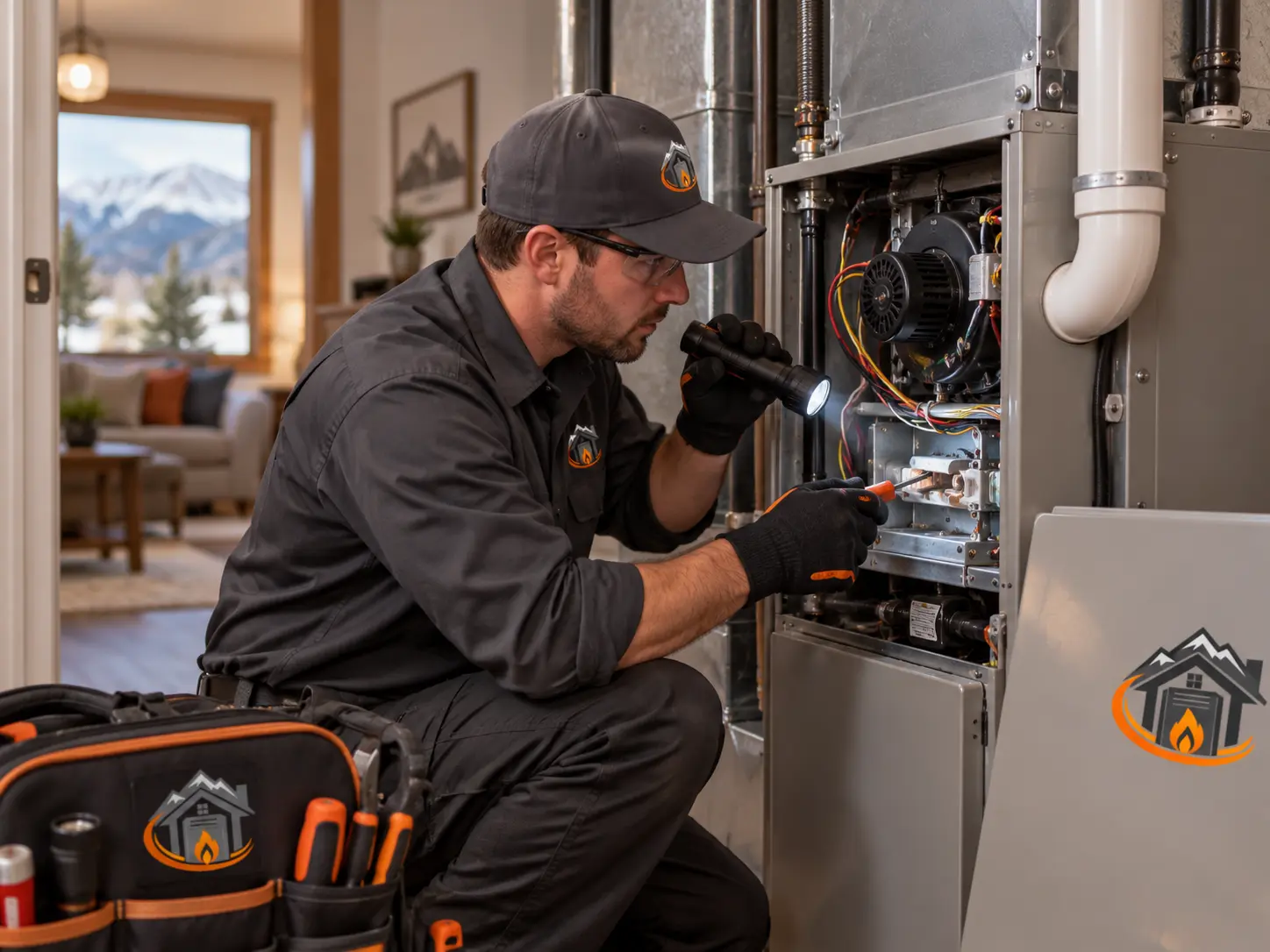
The blower draws return air through the filter, pushes it across the heat exchanger and out into the supply plenum and duct system. Its speed determines the temperature rise across the furnace — too little airflow and the furnace overheats, too much and the supply air feels cool.
Because it runs on every heating cycle and often on cooling cycles too, the blower accumulates more operating hours than almost any other moving part in the system.
PSC and ECM motors
Permanent split capacitor motors are the traditional design: fixed speed taps selected during installation and a run capacitor that provides starting torque. They are simple, inexpensive to repair, and their most common failure is the capacitor rather than the motor.
Electronically commutated motors are found on most higher-efficiency equipment. They vary speed continuously to maintain target airflow, use noticeably less electricity, and ramp up and down instead of slamming on. Their failures are more expensive because the motor and its control module are more complex.
Why blower motors fail
Airflow restriction is worth emphasizing. A neglected filter makes the motor run hotter for years before it fails, which is why the furnace filter guide is genuinely a longevity topic rather than a housekeeping one.
- Bearing wear producing squeal, rumble or eventual seizure
- Overheating caused by restricted airflow — the most preventable cause
- A dirty blower wheel forcing the motor to work against imbalance and drag
- Capacitor failure on PSC systems, which mimics a dead motor
- Module or electronics failure on ECM systems
- Voltage problems and loose electrical connections
Talk through your furnace problem
For service availability, please have your 5-digit ZIP code ready.
Call now for a FREE QUOTE and for service availability. Please have your 5-digit ZIP code ready.
Diagnosis done properly
Replacing a blower motor without measuring static pressure is how the same failure happens twice. A proper diagnosis checks amp draw against nameplate, verifies capacitor value, inspects the wheel, measures total external static pressure and confirms temperature rise is within the range printed on the furnace data plate.
If static pressure is high, the duct system needs attention alongside the motor. See weak furnace airflow for how that is addressed.
Repair or replace the furnace?
An ECM blower assembly on a furnace approaching the end of its expected life can represent a significant share of replacement cost. That is a legitimate moment to look at repair vs. replacement rather than defaulting to the repair.
Furnace Safety Comes First
If you smell gas, see smoke or fire, or suspect carbon monoxide, stop troubleshooting. Move everyone out of the affected area, then contact your gas utility or emergency services from a safe location.
Never bypass a pressure switch, limit switch, rollout switch, door switch or flame sensor, and never attempt gas valve, burner, heat exchanger or live-voltage work. Those controls exist to shut the furnace down before a dangerous condition develops.
Read our carbon monoxide safety guide