
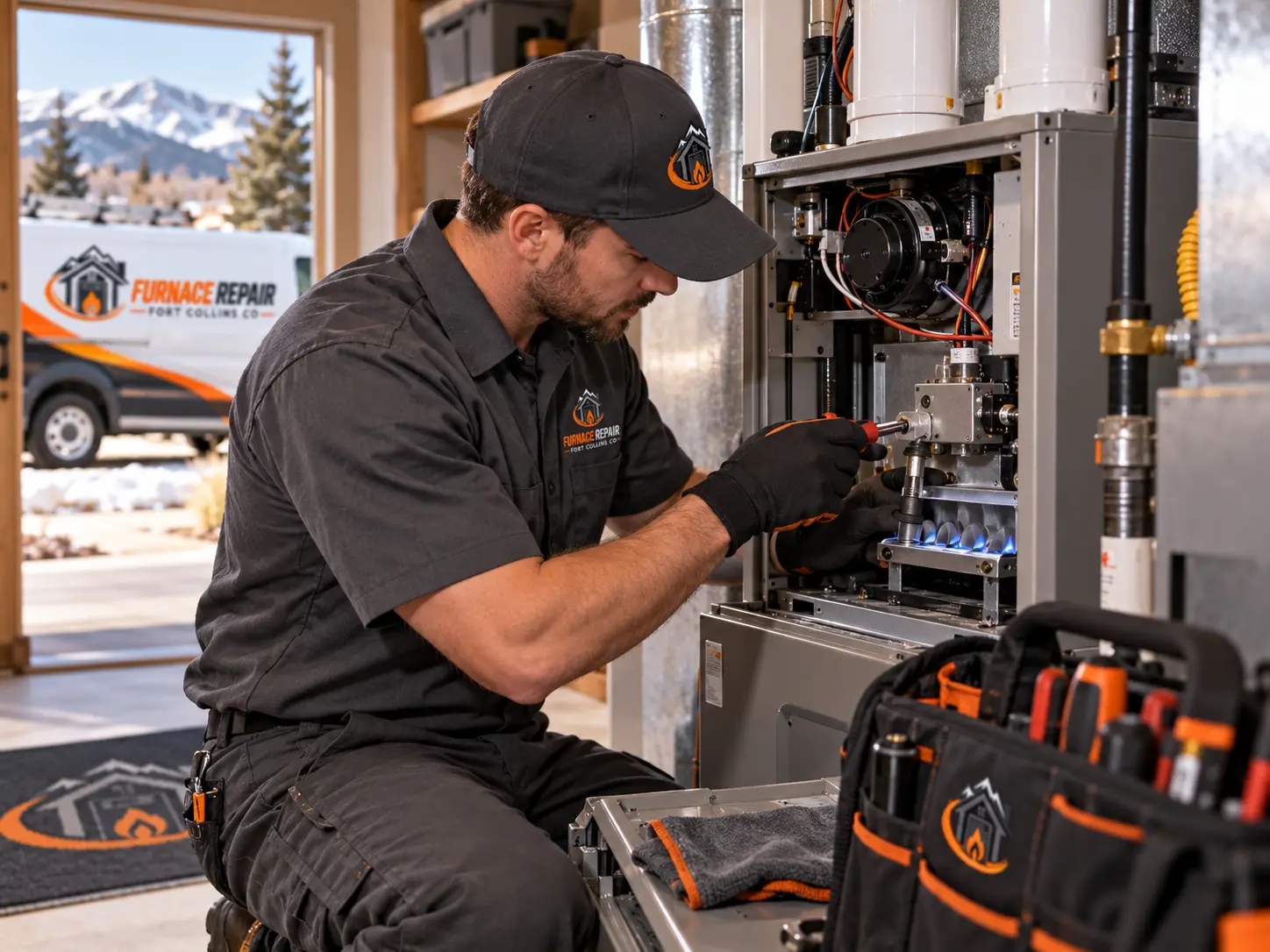
What separates a real tune-up from a look-over
A genuine tune-up produces numbers. Temperature rise measured across the furnace and compared to the data plate range. Flame signal in microamps compared to the manufacturer's minimum. Capacitor values compared to rated microfarads. Blower amp draw compared to nameplate. Static pressure compared to the equipment's design.
A visit that only opens the panel, changes a filter and declares everything fine has not verified anything. Ask for the readings — a thorough technician will happily walk you through them.
The pre-season sequence we follow
- Confirm the thermostat calls correctly and the system responds.
- Inspect and replace the filter, noting the correct size and type.
- Inspect burners and clean as needed, observing flame pattern.
- Clean the flame sensor and measure the resulting signal.
- Test the igniter circuit and inspect the element.
- Verify draft, inspect the inducer and check venting terminations.
- Clear the condensate trap and drain on high-efficiency equipment.
- Inspect the heat exchanger for visible cracking or corrosion.
- Measure capacitor values and blower current draw.
- Measure temperature rise and total external static pressure.
- Tighten electrical connections and inspect the control board.
- Run a full cycle and confirm safe shutdown.
What tune-ups catch most often
- Flame signals drifting toward lockout territory
- Capacitors reading below tolerance, predicting a blower failure
- Static pressure well above design, indicating duct or filter restriction
- Condensate traps beginning to clog on high-efficiency furnaces
- Temperature rise above range, which points toward limit switch trips
- Vent terminations partially blocked before winter arrives
Talk through your furnace problem
For service availability, please have your 5-digit ZIP code ready.
Call now for a FREE QUOTE and for service availability. Please have your 5-digit ZIP code ready.
Timing it for Fort Collins weather
Late August through October is the practical window. The furnace has been idle all summer, dust has settled on the heat exchanger, and the first cold night is close enough to matter but far enough away that you are not competing for emergency slots. Scheduling then also means any needed part has time to arrive before you depend on it.
Tune-up versus repair
A tune-up is not a repair. If a measurement comes back out of spec, that finding turns into a repair recommendation with its own explanation and quote. You should never feel that a tune-up is a pretext for selling equipment. If replacement genuinely makes sense, the evidence should stand on its own — see repair vs. replacement.
Furnace Safety Comes First
If you smell gas, see smoke or fire, or suspect carbon monoxide, stop troubleshooting. Move everyone out of the affected area, then contact your gas utility or emergency services from a safe location.
Never bypass a pressure switch, limit switch, rollout switch, door switch or flame sensor, and never attempt gas valve, burner, heat exchanger or live-voltage work. Those controls exist to shut the furnace down before a dangerous condition develops.
Read our carbon monoxide safety guide