What maintenance is really preventing
Many furnace problems develop warning signs before a complete loss of heat. A flame signal drifting toward the minimum, a capacitor reading below its rated value, a blower wheel gathering dust, a condensate line narrowing with sediment — each of these develops gradually and each has a measurable signature long before it produces a breakdown.
Annual service is the opportunity to measure those things while the house is still warm and the schedule is flexible, rather than at ten at night in January.
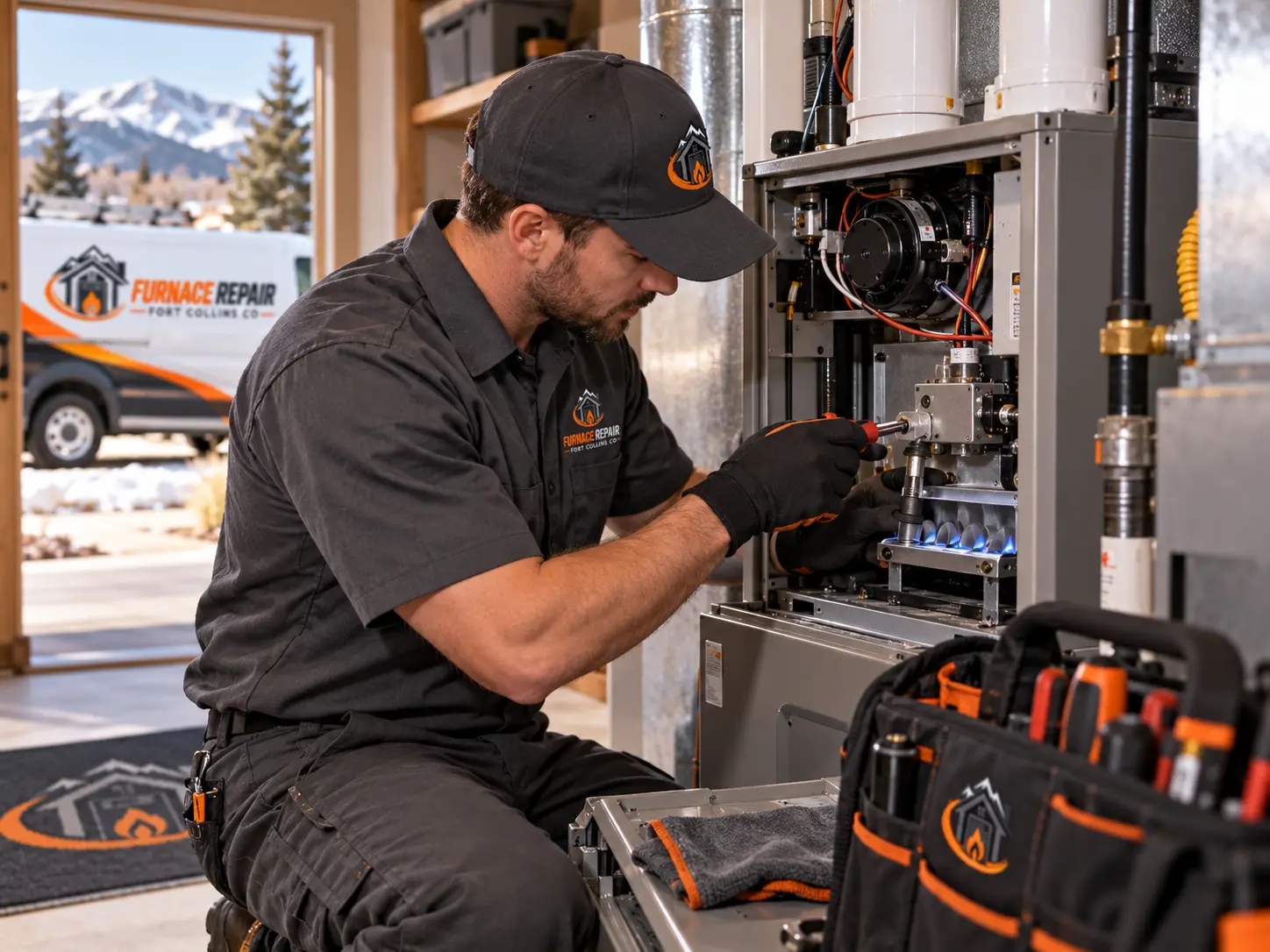
What a thorough visit covers
- Inspect and replace or recommend the correct filter
- Clean burners and check flame characteristics
- Measure flame signal in microamps and clean the flame sensor
- Test the igniter and its circuit
- Verify draft and inspect the inducer motor and venting
- Check pressure switch operation and hoses
- Clear and test the condensate drain on high-efficiency equipment
- Inspect the heat exchanger for visible damage
- Test capacitor values and blower amp draw
- Clean the blower wheel where accessible
- Measure temperature rise against the data plate
- Tighten electrical connections and check the control board
- Verify thermostat operation and a complete cycle from call to shutdown
Why measurements matter more than a checklist
A visit that only looks at parts can miss a system quietly operating out of spec. Temperature rise, static pressure, capacitor microfarads, flame microamps and amp draw are numbers that either fall within manufacturer range or do not. Recording them year over year turns maintenance into a trend line, which is where early warnings actually appear.
Talk through your furnace problem
For service availability, please have your 5-digit ZIP code ready.
Call now for a FREE QUOTE and for service availability. Please have your 5-digit ZIP code ready.
The Northern Colorado seasonal argument
Fort Collins heating season is long and the temperature swings are abrupt. A system can idle through a mild October and then be asked for continuous output within a week. Servicing in early fall means the furnace is verified before that first hard demand, and it avoids the peak-season scheduling crunch every local provider experiences.
Maintenance and warranty
Manufacturers commonly recommend regular maintenance, and homeowners should review the warranty terms for their specific equipment. Keeping records of what was measured and when is worth doing regardless, because it also gives you real evidence when it is time to weigh repair versus replacement.
What you can do between visits
Filter changes, keeping registers and returns clear, clearing snow from sidewall vents and testing carbon monoxide alarms are all homeowner tasks. Our furnace maintenance checklist and winter furnace checklist lay them out in order.
Furnace Safety Comes First
If you smell gas, see smoke or fire, or suspect carbon monoxide, stop troubleshooting. Move everyone out of the affected area, then contact your gas utility or emergency services from a safe location.
Never bypass a pressure switch, limit switch, rollout switch, door switch or flame sensor, and never attempt gas valve, burner, heat exchanger or live-voltage work. Those controls exist to shut the furnace down before a dangerous condition develops.
Read our carbon monoxide safety guide