What the gas valve does
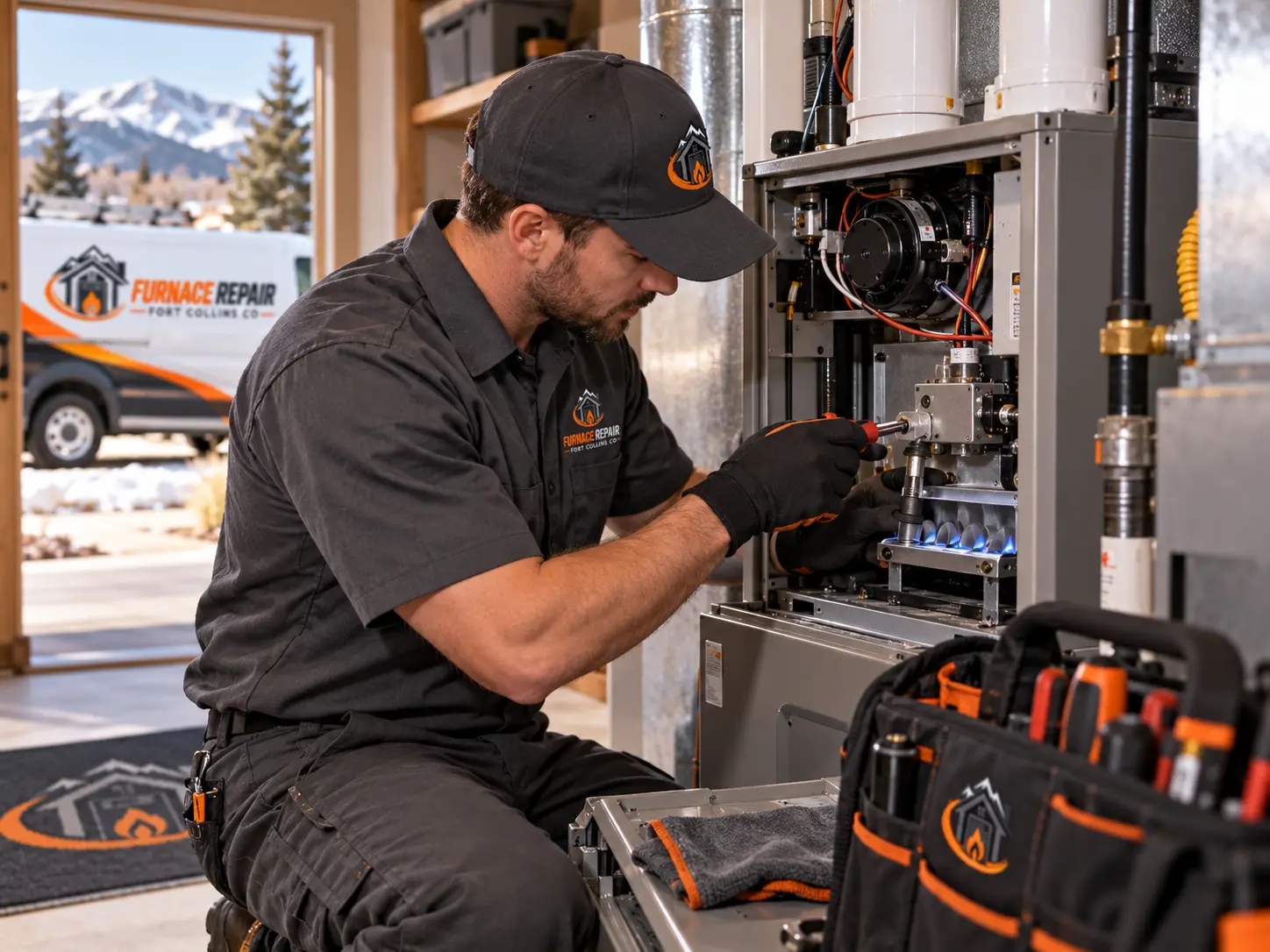
A furnace gas valve is an electrically operated regulator and shutoff in one body. It receives 24-volt signals from the control board, opens to deliver gas at a regulated manifold pressure, and closes instantly when the board removes the signal or when a safety control opens.
Two-stage furnaces use valves that can deliver two distinct firing rates, and modulating furnaces use valves that vary output across a range. In every case the valve's regulation is factory-set and verified with a manometer, not adjusted by feel.
How gas valve problems present
A valve that will not close is the most serious of these. If the burners continue firing after you lower the thermostat, turn the furnace off at its service switch and arrange emergency furnace repair.
- The igniter glows normally but no flame ever appears
- Burners light unevenly or with a rough, delayed ignition
- Flame that is lazy, yellow-tipped or lifting off the burner ports
- A furnace that will not shut off when the thermostat is satisfied
- An audible click at the valve with no gas delivery
Why the valve is rarely the first suspect
Many symptoms blamed on gas valves are caused upstream. No flame can mean a failed igniter. A shutdown seconds after lighting usually means the flame sensor. No gas at all can mean a closed manual shutoff, an interrupted utility supply, or a propane tank running low on a property outside city service. Confirming supply pressure and control signals comes before condemning the valve.
Talk through your furnace problem
For service availability, please have your 5-digit ZIP code ready.
Call now for a FREE QUOTE and for service availability. Please have your 5-digit ZIP code ready.
Strictly professional work
Gas valve replacement involves breaking a gas connection, leak-testing every joint, verifying manifold pressure with a manometer and confirming safe combustion afterward. There is no homeowner-appropriate version of this task, and no circumstance in which adjusting the regulator is a reasonable DIY step.
If you ever smell gas, leave the home and call your gas utility from outside before doing anything else. Furnace safety covers this in full.
After a valve replacement
A complete job finishes with a leak check on all disturbed connections, a manifold pressure reading matched to the data plate, a combustion assessment where appropriate, a temperature rise measurement and a full operating cycle observed from call to shutdown.
Furnace Safety Comes First
If you smell gas, see smoke or fire, or suspect carbon monoxide, stop troubleshooting. Move everyone out of the affected area, then contact your gas utility or emergency services from a safe location.
Never bypass a pressure switch, limit switch, rollout switch, door switch or flame sensor, and never attempt gas valve, burner, heat exchanger or live-voltage work. Those controls exist to shut the furnace down before a dangerous condition develops.
Read our carbon monoxide safety guide